Hospitality & F&B
Off the beaten path: why hospitality wins on place, not familiarity
Hospitality scaled for decades by replicating what works. But a new generation of travellers seeks meaning through difference — and the properties that last are positioned around place, not standardised across it.
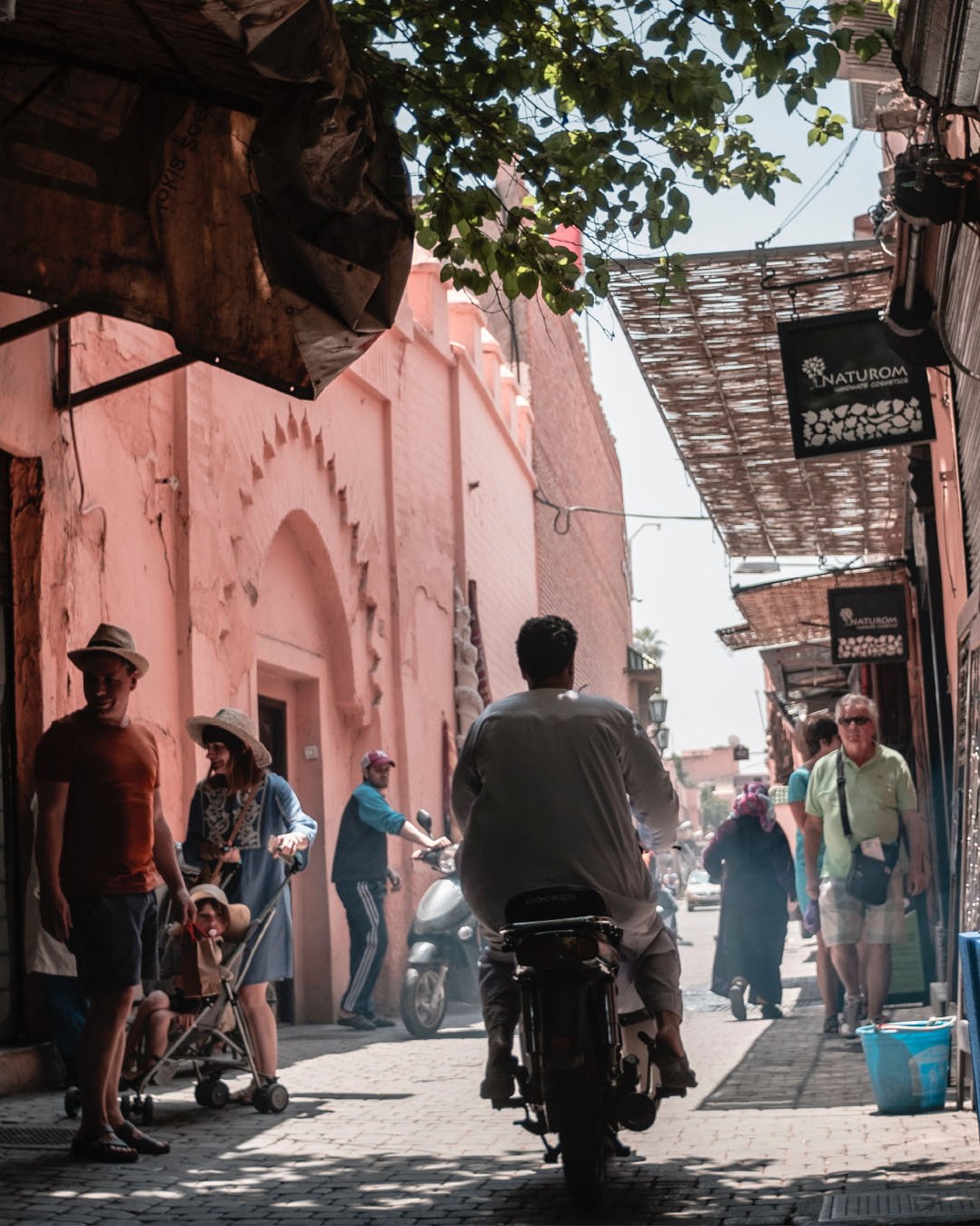
Hospitality has been built on familiarity
For decades, the industry scaled by replicating what works. Standardised service models, predictable amenities and brand consistency across geographies became both the operating logic and the aspiration. A guest who knew one property knew them all — in any city, on any continent.
That familiarity was the promise, and it was a good one. It made hospitality investable, repeatable and safe. But the same quality that made a brand easy to trust also made it easy to replace. When every property offers the same reassurance, reassurance stops being a reason to choose one over another.
The traveller has changed
A generation of travellers is moving away from the expected. They are not seeking comfort through uniformity — they are seeking meaning through difference. The destination is no longer the draw. The encounter is.
They can find a familiar room in any city; what they cannot find twice is a genuine meeting with a place. The value has migrated from the predictable to the particular — from what a property guarantees to what only it can offer.
The industry is responding with the wrong tools
Most hospitality brands have registered the shift and answered it through aesthetics: rustic interiors, local menus, a curated playlist in the lobby. The surface is shifting. The structure underneath is not.
This is authenticity treated as decoration — a look borrowed from a place rather than a relationship with it. It photographs well and travels badly, because guests increasingly know the difference between a property that references a culture and one that belongs to it.
The surface is shifting. The structure underneath is not.
From curation to character
Real differentiation is not assembled, it is uncovered. The properties and destinations gaining genuine traction are those built around a real relationship with place — its people, its rhythms, its logic. That relationship cannot be imported, and it cannot be styled in after the fact.
Curation selects things that already exist elsewhere and arranges them well. Character comes from the specific: a particular geography, a particular community, a particular way of doing things that would make no sense anywhere else. One can be copied by the next operator down the street. The other cannot.
Real differentiation is not assembled. It is uncovered.
Position the place before the property
The correction is a matter of sequence. Position the place before the property. Understand what a location genuinely is — the local system, the cultural grain, the lived geography — before deciding what to build on top of it.
When an asset is grounded in what already exists rather than imposed upon it, the experience becomes something a competitor cannot replicate by copying the finishes. This is positioning in its truest form: not a message applied at the end, but the foundation the property is built to express. That is where lasting value is built.
An experience that cannot be replicated
Properties positioned around genuine place become reference points, not just destinations. They change how guests understand travel, how operators think about value, and how the industry measures success.
Familiarity can be built anywhere, which is precisely why it no longer differentiates. Place can only be built in one location — and that scarcity, held honestly, is the most durable asset a hospitality brand can own. The path worth taking, increasingly, is the one off the beaten track.
More perspective
All articles